
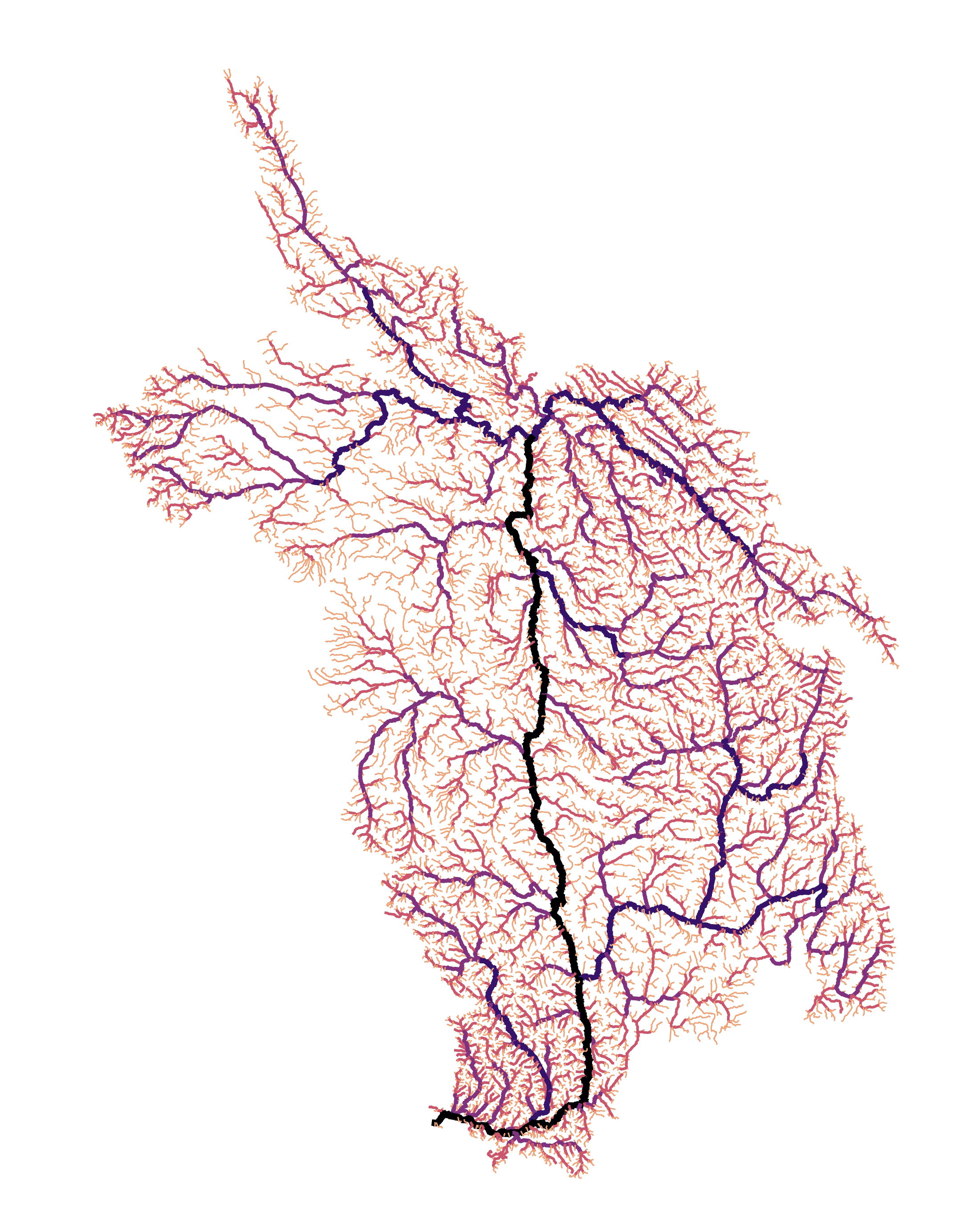
The Fraser Rivershed
It is one-quarter of British Columbia, home to over 70 First Nations and three-quarters of the province’s population, described by WWF-Canada as the world’s largest wild salmon-producing river — and the only landscape that connects the coast to the mountains.
But the rivershed is in crisis.
Salmon populations are collapsing.
Wildlife habitat is being destroyed.
Harmful pollutants still enter the river.
17.6% of the Fraser Rivershed is protected as of 2026.
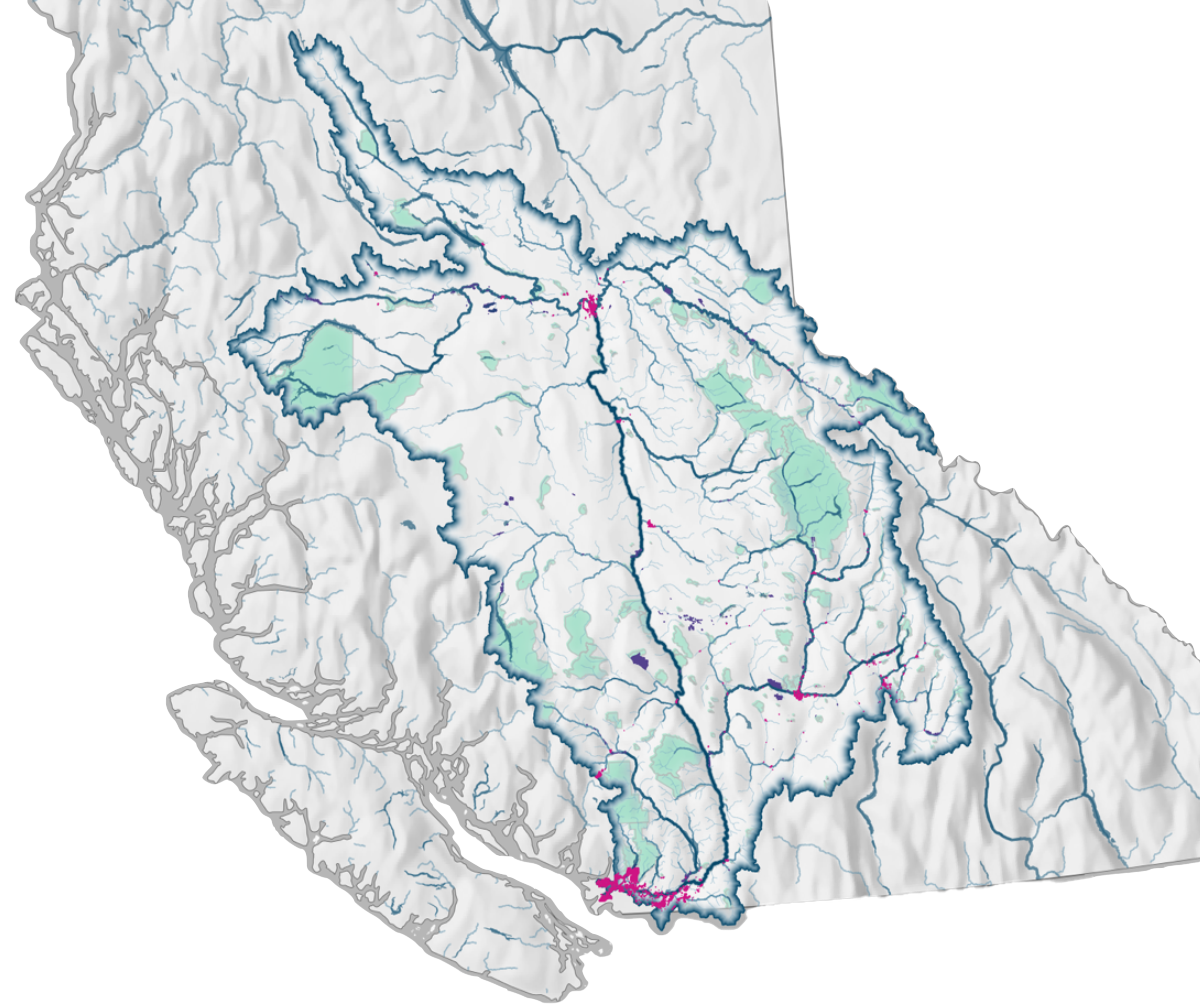
13.6% — BC Parks and Ecological Reserves
2.8% — Conservation Lands
1.2% — Regional greenspaces
The Fraser Rivershed spans 21 Million hectares. Seventeen per cent, or 3.57 Million hectares, of the Fraser Rivershed is formally protected.
But look at where it sits — and where the river runs. The protected areas cluster in isolated blocks far from the water. The Fraser itself, the corridor every species in the system depends on, passes almost entirely through the gaps between them. The largest wild salmon river left on Earth has no protected corridor along its length.
To achieve 30% protected, an additional 2.9 Million hectares must be protected.
Indigenous-Led Protection
Our partners at the Indigenous Stewardship Fund are convening Fraser First Nations, to ensure their habitat protection interests, priorities and protocols are reflected.
Across the Fraser River, approximately 76 First Nations hold distinct cultures, identities, priorities and deep connections to the lands and waters. Bringing this diversity together requires care, formal engagement models and trust.
A core role of the Indigenous Stewardship Fund (ISF) in the Fraser 30×30 Challenge is to ensure meaningful engagement with First Nations, so that their habitat protection interests, priorities and protocols are reflected throughout the initiative. — Indigenous Stewardship Fund
Indigenous-led conservation takes a variety of forms. For example, First Nations in British Columbia have declared Indigenous Protected and Conserved Areas (IPCAs) and Salmon Parks.